

Elements
We could make this publication thanks to small donations. How is 3 minutos de arte supported?
Characteristic Elements of Analytical Cubism
Picasso and Braque, influenced by Cézanne and his geometrization of figures and the use of these as volumes to compose the painting, initiated the movement called Cubism.
The first stage of this movement is Analytical Cubism, which was developed from 1909 to 1912 approximately.
Rupture with the traditional laws of perspective.
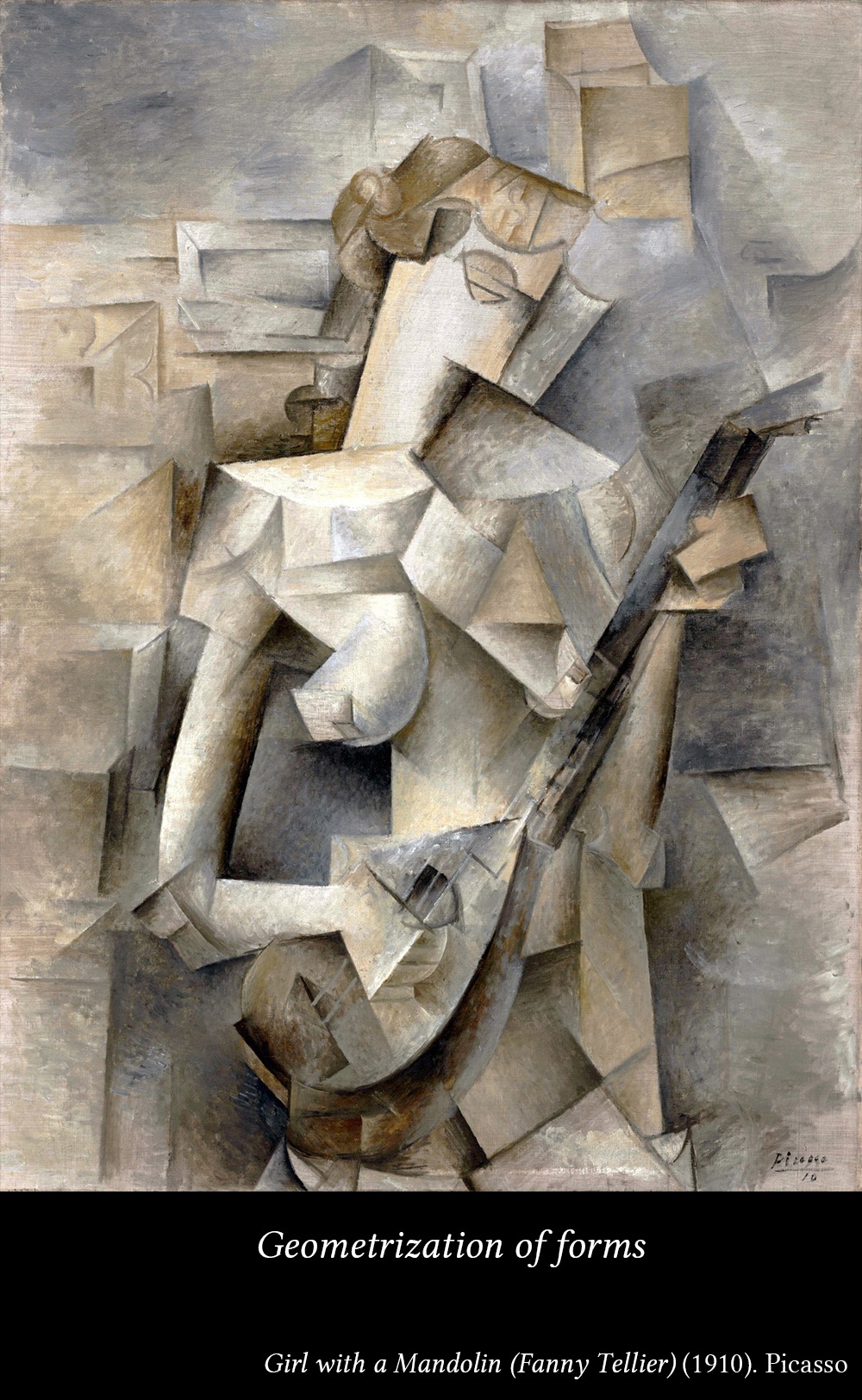
Geometrization of forms.
Fragmentation and reordering. The figure is dismantled to be recomposed with a structure that allows us to observe it from different perspectives.
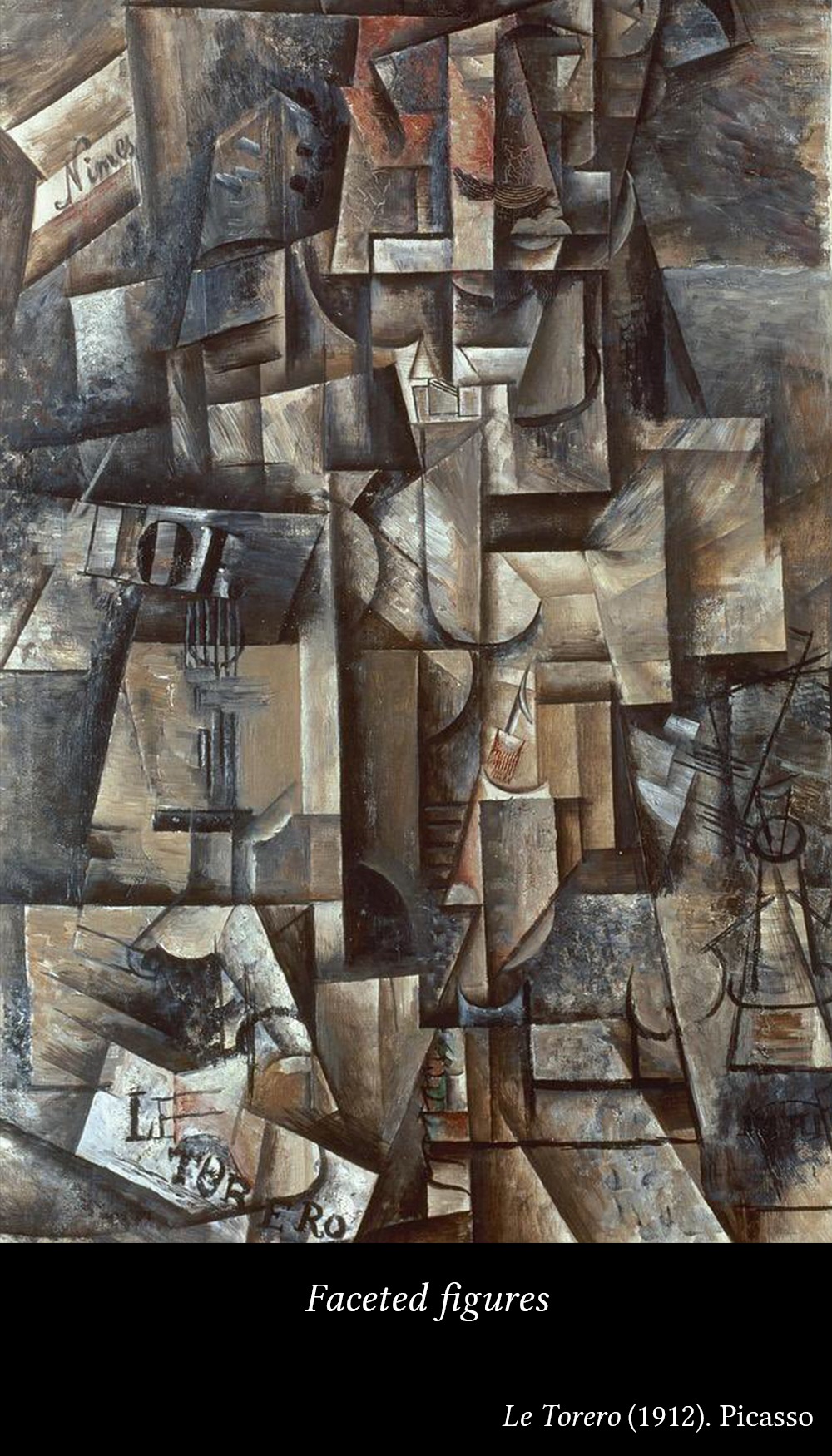
Faceted figures. Those little pieces into which the figure is disassembled are seen as the faces of a polyhedron (geometric body with many flat faces).
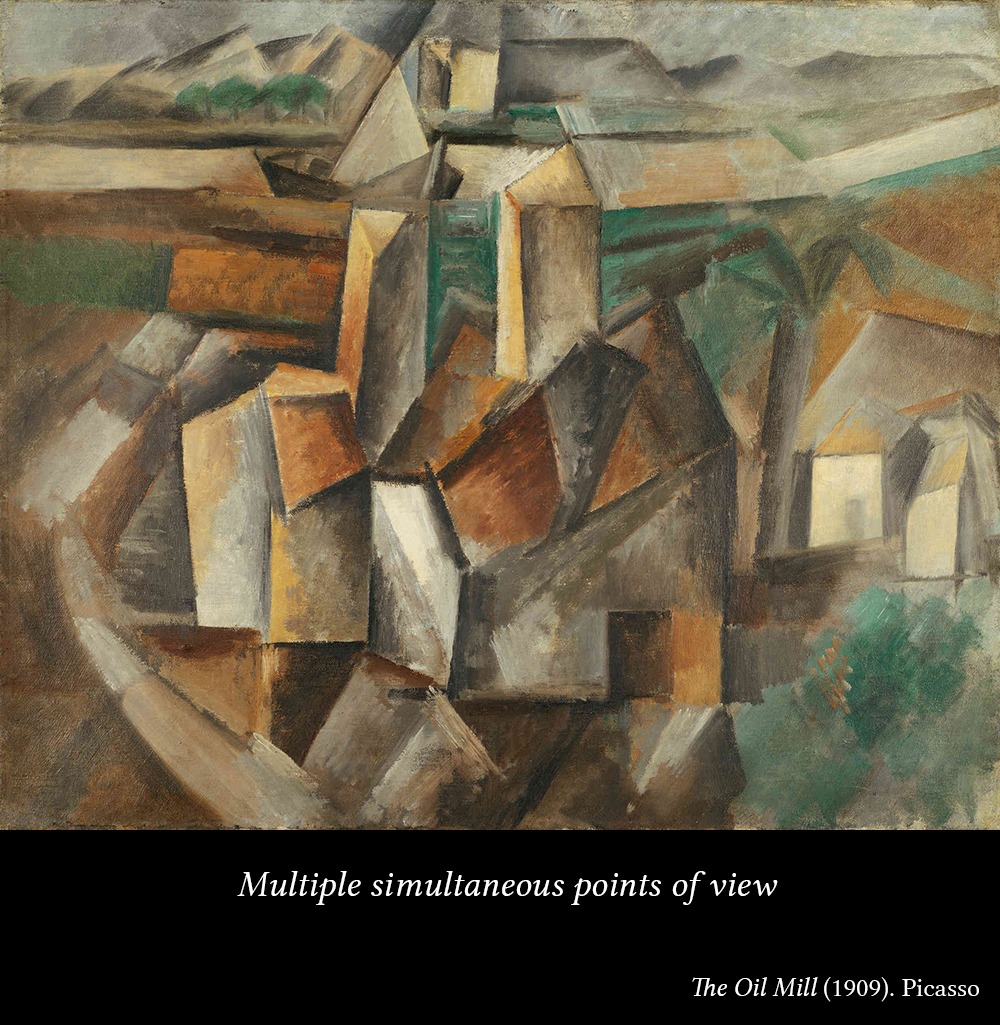
Multiple simultaneous points of view. Just as the figures are seen from different angles on the flat surface of the painting, the same happens with a landscape or with a scene where multiple figures intervene.
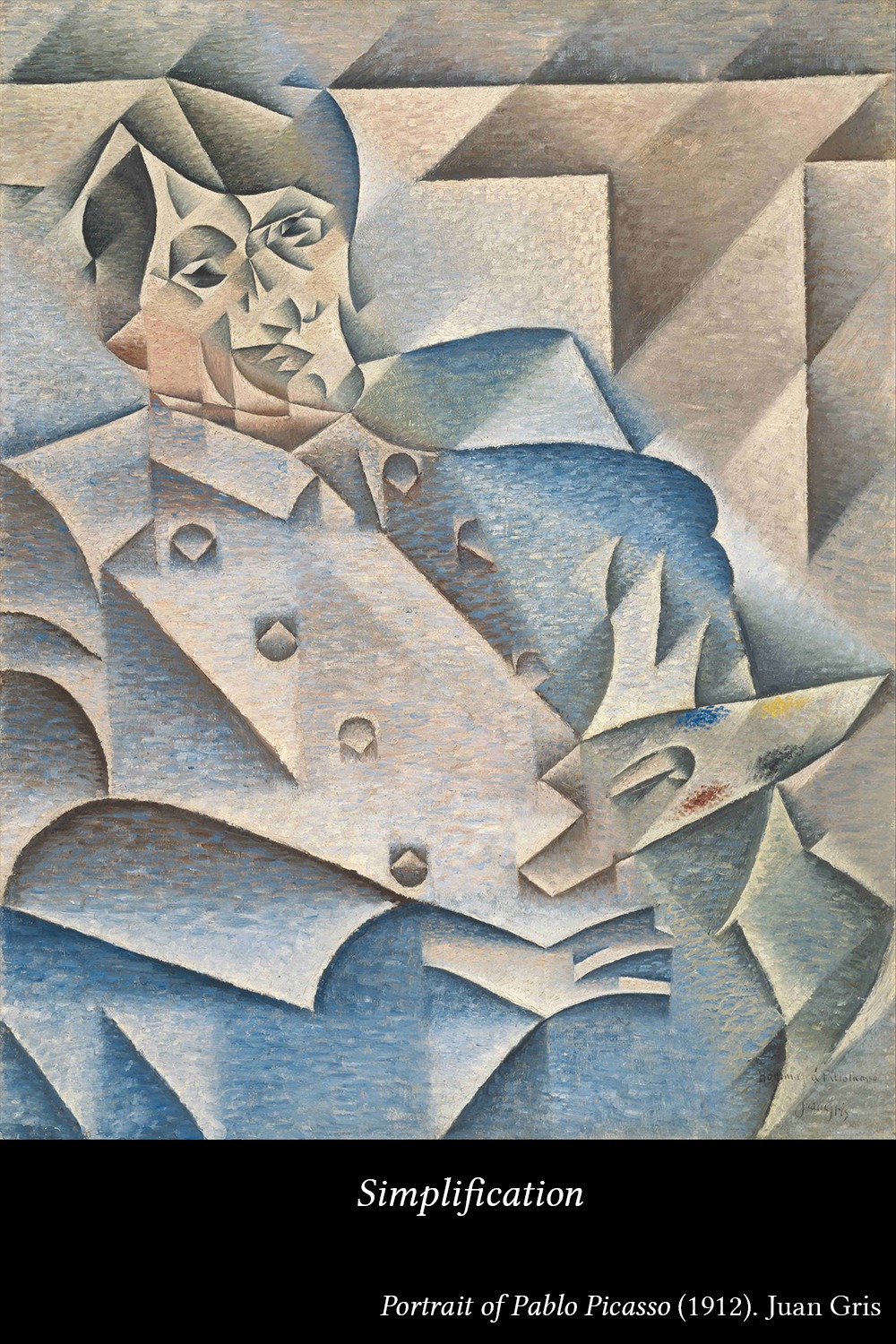
Simplification.
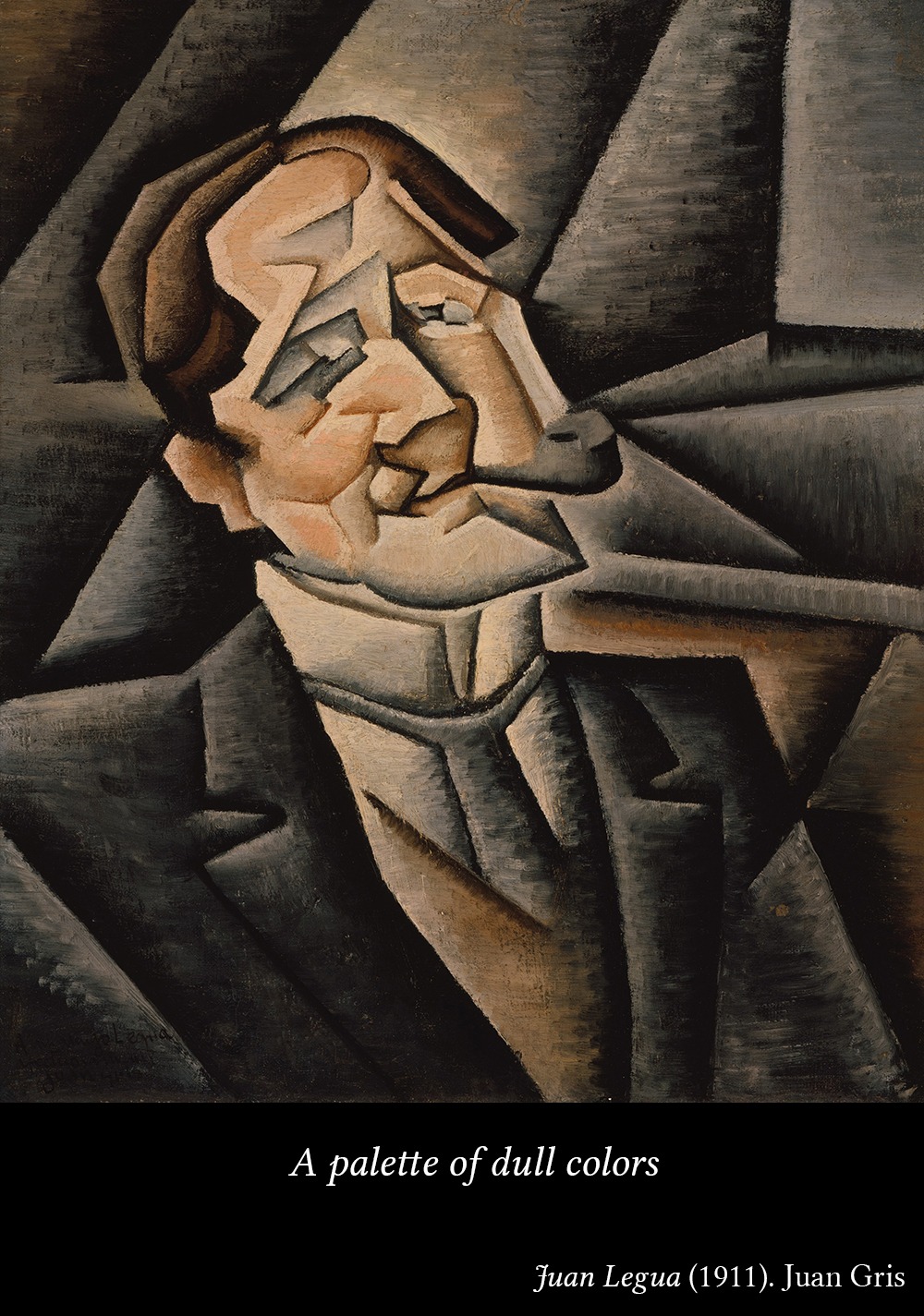
A palette of dull colors. Predominance of ochers, grays, greens, and monochromes (when a single color prevails).
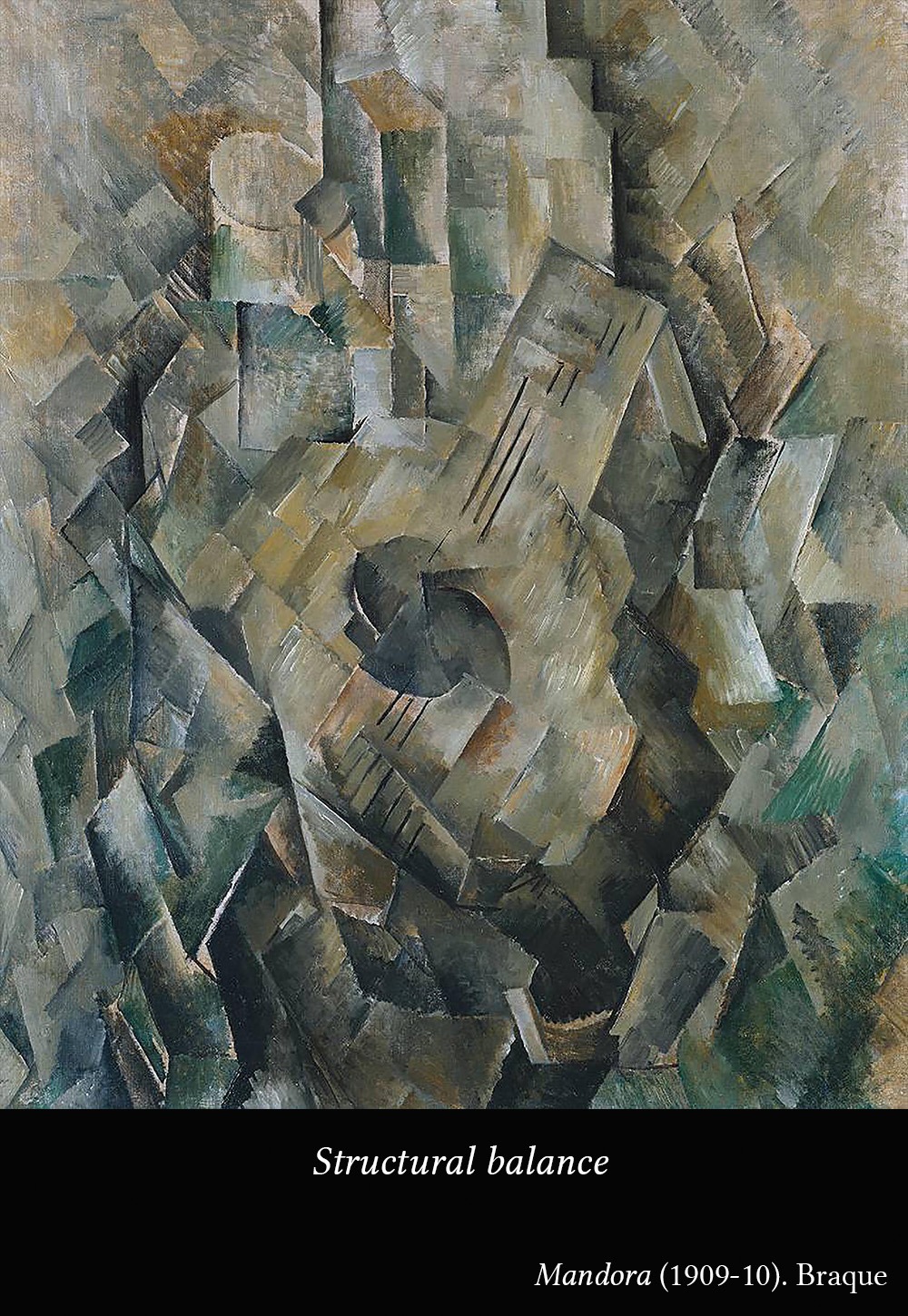
Structural balance. The fundamental concern of this stage of Cubism is how the forms are arranged in space, how the painting is structured. Therefore, the figures are rearranged, not respecting reality, but generating a compositional balance.
Recommended links:
Fundamental Differences between Analytic and Synthetic Cubism.
Fundamental Paintings to Understand the History of Painting: Les Demoiselles d’Avignon, Picasso.
Fundamental Paintings to Understand the History of Painting: Mont Saint-Victoire, Cézanne.
María Blanchard, the Most Important Female Painter of Cubism.
You can also find more material using the search engine.



0 Comments