Pop Art
Artistic Movements, Periods and Styles in 5 Points
We could make this publication thanks to small donations. How is 3 minutos de arte supported?
Pop Art
- It emerged in England in the 50s and in the United States prevailed in the 60s. Its name refers to the popular, to everyday life.
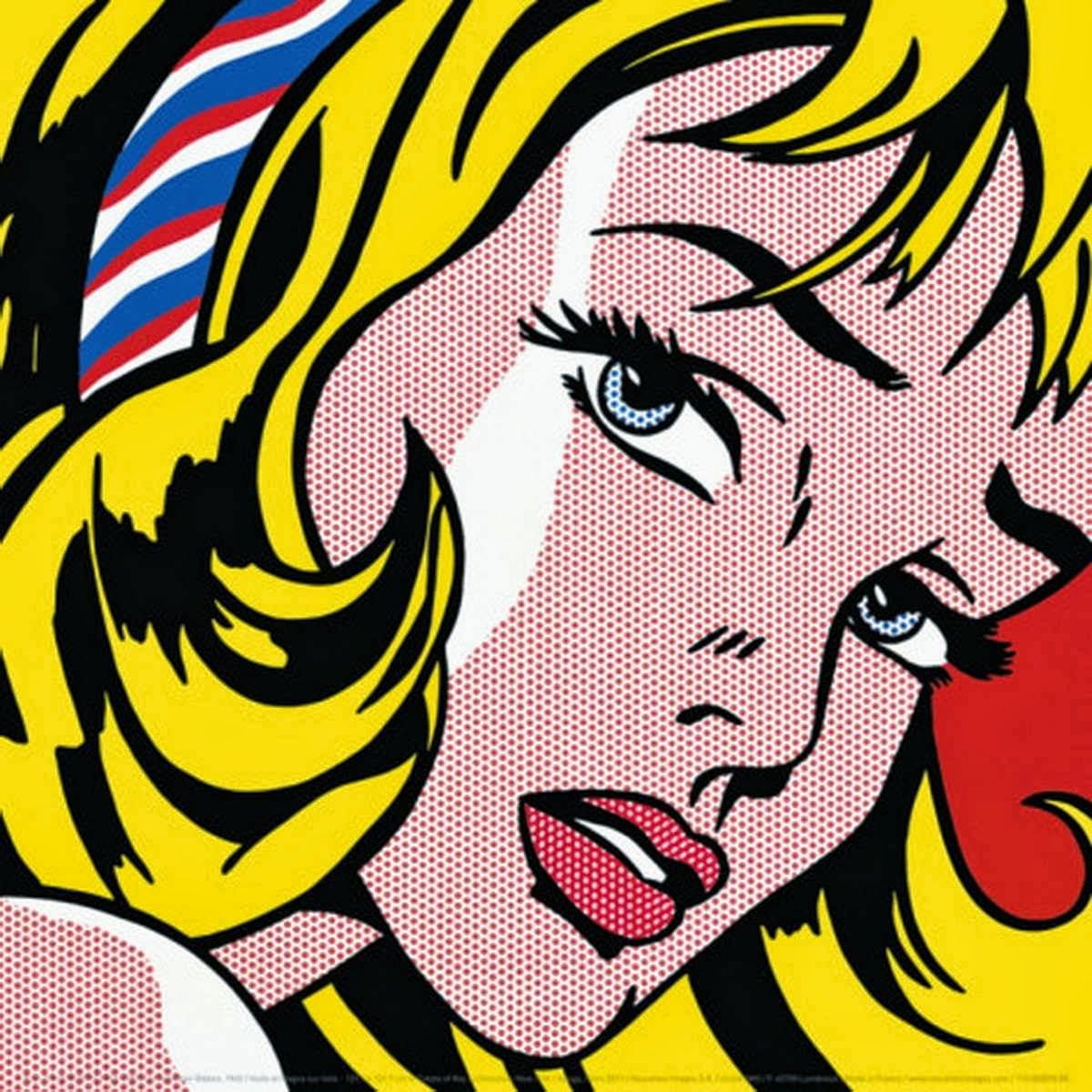
- It used images taken from advertisements, the comics (as in this painting), modern icons such as movie stars (Marilyn, Elvis, Liz Taylor) and massive consume products.
- As in very legitimate movement or artistic expression, pop reflects the spirit of its time. A spirit that could be qualified with the concepts: consumerist, materialistic, superficial, massive, without great ideals.
- That mundane and impersonal reality, belonging to masses that was shown could be considered as a reaction to the abstract works that the Abstract Impressionists were imposing.
- At first sight the movement may appear to be superficial, but it has changed the look of the viewer forever. And it might also have turned Warhol in one of the greatest artists of the second half of the 20th century: art is no longer in the atelier, in the museum and in the academies, but in the “supermarket.” We all live immersed in a work of art.
Representative artists: Warhol, Hamilton, Lichtenstein, Rauschenberg, Johns.
Image: Girl with Hair Ribbon (1965). Roy Lichtenstein.
Recommended links:
Campbell’s Soup Cans (1962), Andy Warhol.
F-111, the Huge Pop Art Painting of James Rosenquist.
“In the future, everyone will be world-famous for 15 minutes.”
You can also find more material using the search engine.


0 Comments