



Elements
We could make this publication thanks to small donations. How is 3 minutos de arte supported?
Characteristic Elements of Romantic Painting
Although we use examples that specifically belong to 19th century Romanticism, the characteristic elements we mention can be applied to all Romantic painting in general.
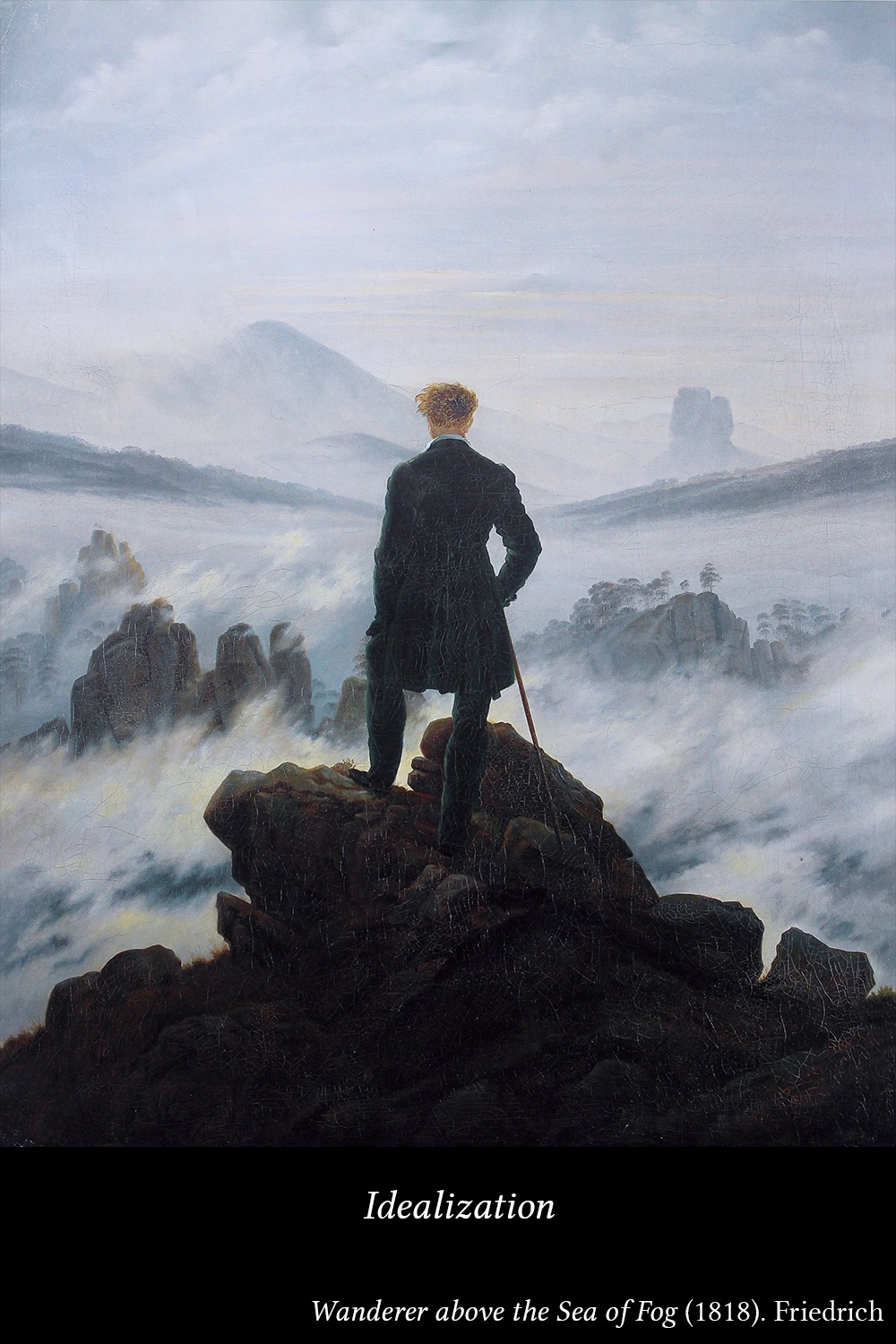
Idealization.
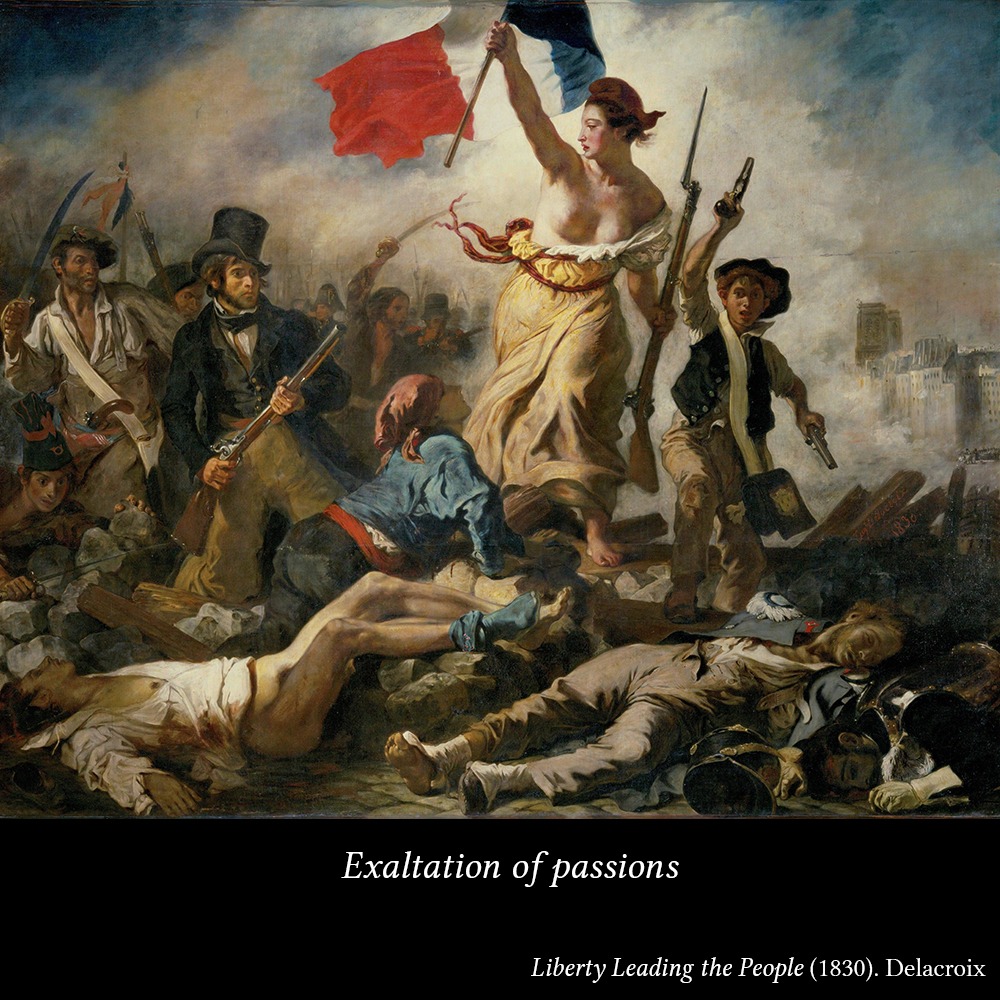
Exaltation of passions. Overflowing emotions and feelings, such as love, heroism, patriotism, fear, anguish, triumphalism, horror.
Exaltation of imagination.
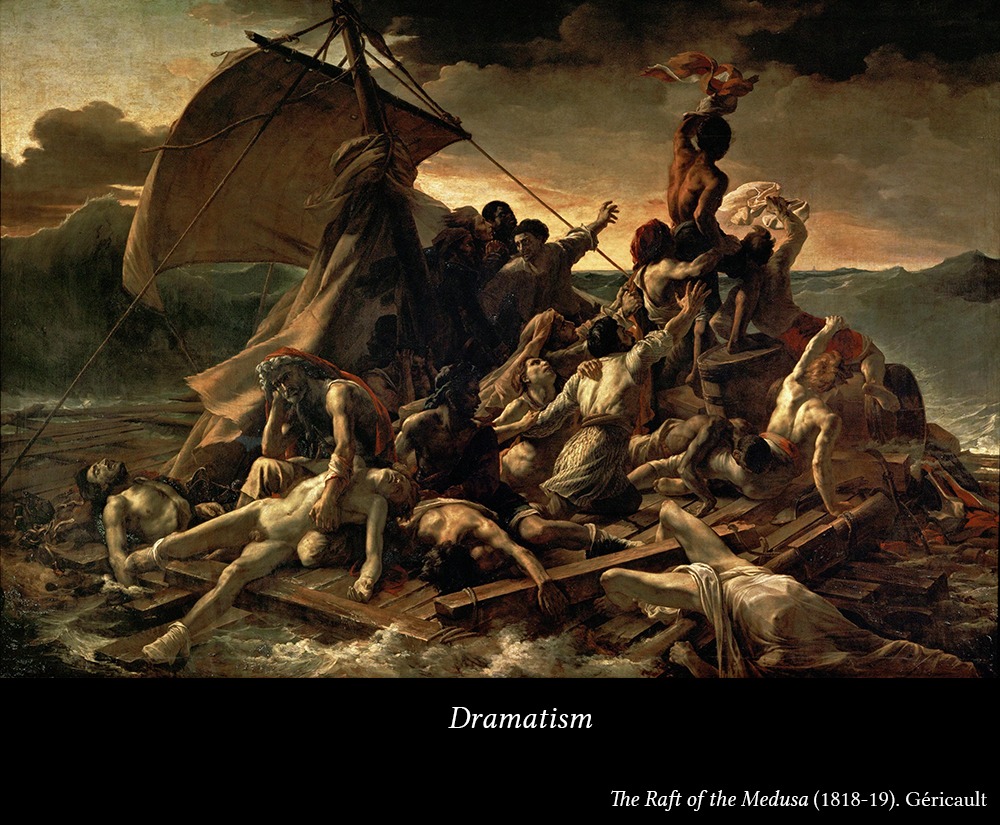
Dramatism. This whirlwind of emotions and feelings, full of life and tragedy at the same time, generates very "theatrical" scenes (that take us back to the Baroque).
Dramatic, theatrical light.
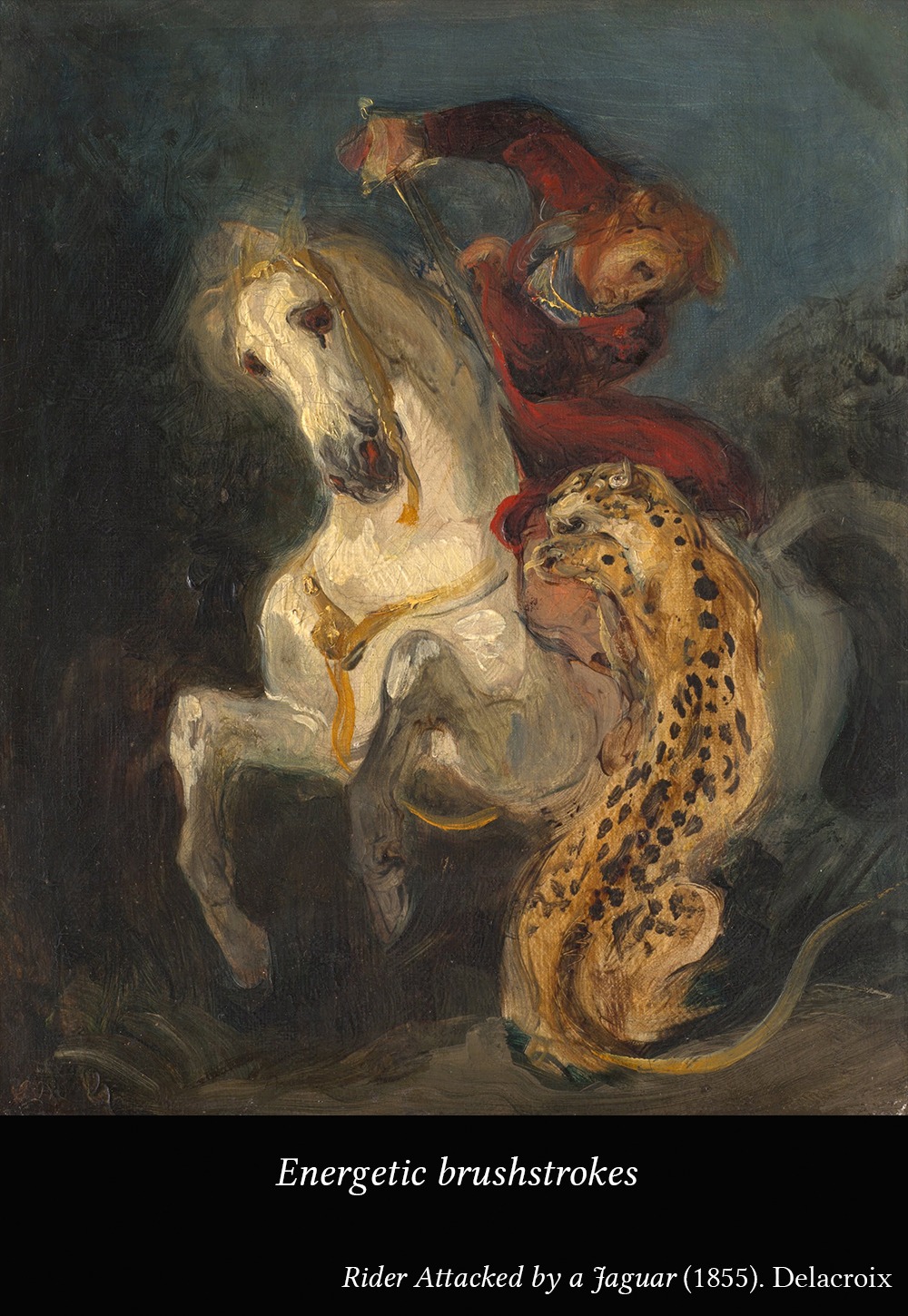
Energetic brushstrokes. Brushstrokes gradually become expressive (they contain the vitality, the passion that the artists carry inside).
Dynamic composition. Scenes with a lot of movement and vitality.
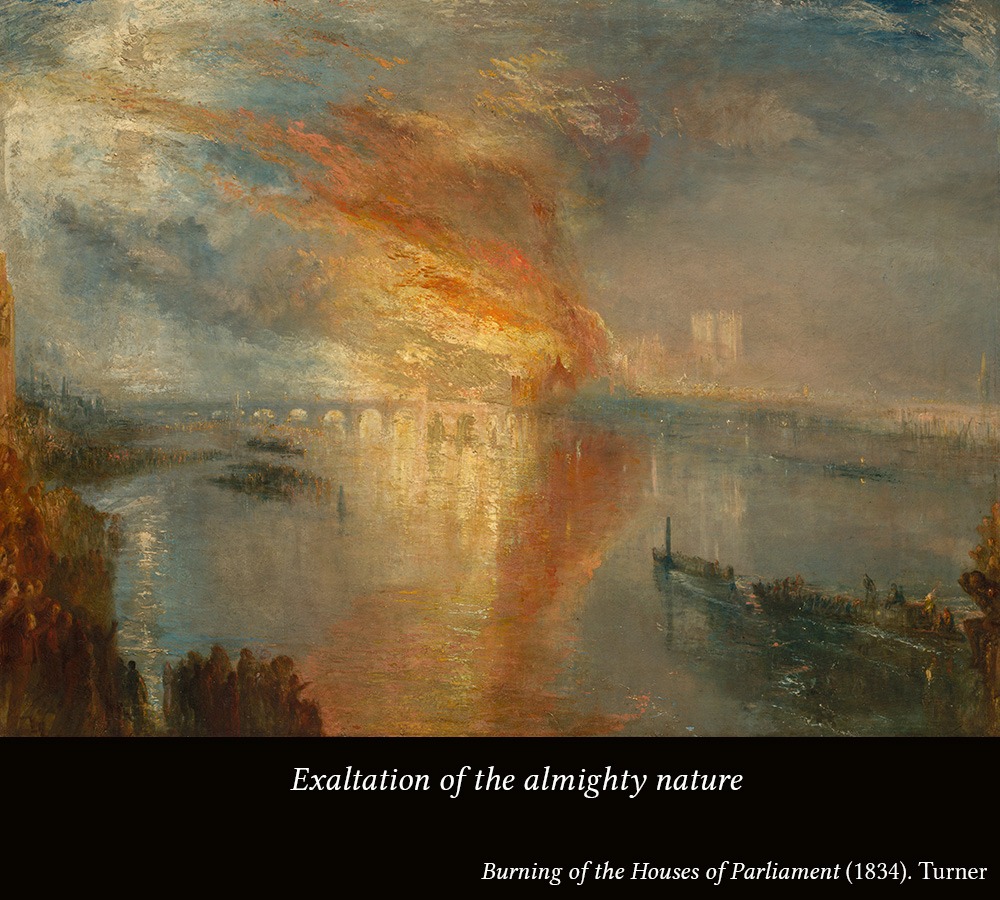
Exaltation of the almighty nature.
Exoticism. Taste for oriental and exotic cultures. The idealistic and dreamy nature of romanticism comes with a fascination with exotic, little-known worlds, worlds of fabulous stories that feed the imagination.
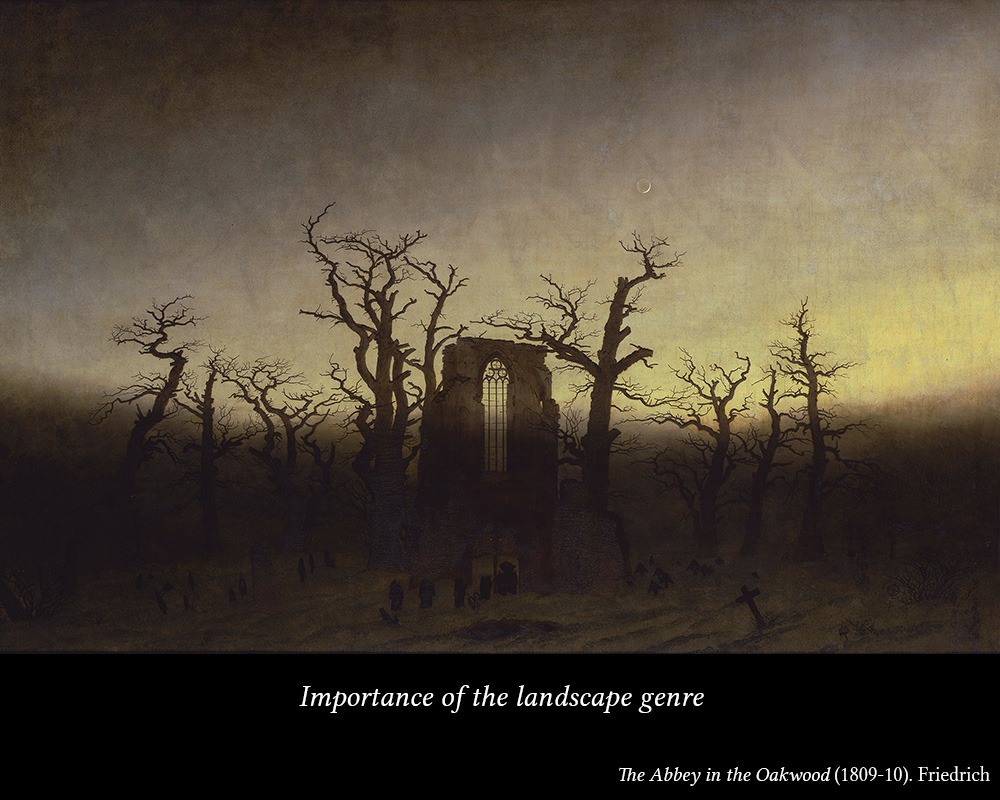
Importance of the landscape genre. But, of course, it is a romantic landscape: idealized, dreamy, or full of nostalgia or symbolism.
Recommended links:
Fundamental Painters of Romanticism.
Timeline: from Neoclassicism till the end of the 19th century.
Liberty Leading the People (1830), Eugène Delacroix.
Turner Seascapes and Romanticism.
The Raft of the Medusa (1818/19), Géricault.
Third of May in Madrid (1814), Francisco de Goya.
Snow Storm – Steam-Boat off a Harbour’s Mouth (1842), Turner.
You can also find more material using the search engine.
Would you like to support 3 minutos de arte?
Our project.

0 Comments